

If you search Google for terms such as “running calendar 2026” or the equivalent in your own country, you will usually find an annual calendar of running events. From there, you can choose a race that matches your current fitness level or the level you want to achieve. There are countless exciting races to choose from. Whether you are an experienced runner or a beginner, this guide will help you consider the important steps towards race day, so you arrive well prepared and ready to enjoy the experience.

🏃 How To Start Running – Your Motivation?
There are many different reasons for running. Some runners are highly ambitious and focused on performance, while others are more social “super joggers” who enjoy the community and the fun of running. Training for a race should therefore be based on your individual circumstances and goals.
Setting a goal to participate in a race can give your running project a clear priority in your life. You have made a decision, you know what it means to you, and you know what you want to work towards — perhaps getting in shape through a running programme and completing your first 5K race on a specific date.
The amount and type of training you need will depend on your goal and experience. A marathon runner may follow a long and demanding training programme with many long, slow runs, while an experienced recreational runner may train less and for different reasons.
Even a short 5K race can require different levels of preparation. Someone taking part simply to enjoy the experience may need relatively little preparation, while a beginner who wants to run the entire distance at a steady pace without walking should establish some basic training principles before starting.
Good preparation is ultimately about creating a positive running experience while also allowing your body to adapt and reducing the risk of injury.
☀️ Running Start – Find The Joy
Everyone can find joy in running when they start from their current level and plan their running project accordingly. Don’t plan your training around the level you wish you were at. Instead, build your running programme around where you are today and allow your body to adapt and improve through the principle of supercompensation.
Set aside some time, perhaps at the weekend, to assess your current fitness and your practical circumstances. How fit are you today? And when do you realistically have time to run? From there, you can choose a 5K running programme that matches your current level and gradually build your running from that starting point.

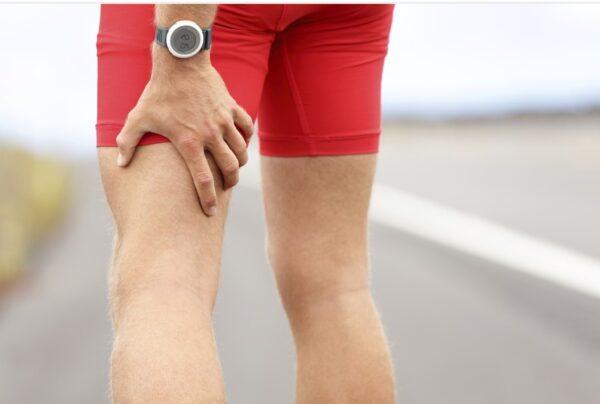
👉 For beginners, gradual progress is one of the best ways to reduce the risk of running injuries.
🔄 How To Use Cross-Training For Variation
As a beginner, a 5K race can be a good introduction to the world of road racing. The amount of training you need will depend on your starting point. If you have never exercised before, you will generally need more time to prepare than someone who already has experience from another sport, such as soccer.
Running will naturally make up a large part of your training, but complementary activities can also be valuable. Strength training for the legs and aerobic exercises such as using an elliptical trainer can add useful variation to your training.
Combining running with strength training and other forms of cross-training can help you build stronger legs as your running distance increases. It also gives your tendons, joints, and muscles different types of loading. Unlike running, these activities do not subject your body to the same repeated impact with every foot strike, while still allowing you to work different muscle groups.
This makes cross-training a practical way to add variation while preparing your body for increased running demands.
👉 Adding cross-training can give your running more variation while strengthening your body in different ways.
Variation in training gives your body different challenges while complementing your running.
👟 Choose the Right Running Shoes
Running shoes are often a relatively expensive investment, but they are also one of the runner’s most important pieces of equipment. With so many opinions and theories about running shoes, finding the right pair for your needs can sometimes feel like navigating a jungle.
As a starting point, choose a running shoe with cushioning throughout the midsole, not only around the heel but also under the forefoot. Most importantly, the shoe should fit your foot well and feel comfortable.
Your running shoes will usually need to be slightly larger than your regular shoes, allowing some room for your foot to move forward inside the shoe while running. The right choice depends on several factors, including your running experience, training volume, running surface, goals, body biomechanics, and running style.
If you need new running shoes, consider talking to a specialist at a sports shop or a physiotherapist who can help you find the optimal shoe for your needs.
👟 Guide to New Running Shoes
- Find your old running shoes and your favourite running socks.
- Visit a sports shop or specialist running store.
- Explain your ambitions and running goals to the staff member.
- Show them the wear pattern on the soles of your old running shoes.
- Choose the shoe that feels most comfortable and suits your running.
- Leave the store with a smile and a desire to try your new running shoes.
- Start slowly in your new shoes and pay attention to your body’s signals, especially during the first few runs.
👉 Choosing the right running shoes can make a big difference to your comfort and running experience.
👣 How To Find Your Running Style
When I started supporting some of the larger running events and watched runners along the course, I noticed something interesting: if you watch 100 runners pass by, you will probably see 100 different ways of running.
There are some basic elements that can be considered when looking at running style, including cadence, running economy, how you start and land, how heavily you run, and your pace. An analysis of your running style can also help identify which type of running shoe may be the best match for you.
If you want to get more from your running, or if you regularly experience small running injuries, you can consider having an individual running style analysis performed in your local area. You can search Google for “running style analysis in [your town]” or start by reading more here.
A physiotherapist specialising in running can also help you understand your running style and guide you towards appropriate running techniques and training.
⏱️ Interval Training For Beginners

Interval training introduces short periods of higher-intensity running into your training, with lower-intensity periods or recovery in between. The aim is to challenge your body’s ability to absorb and transport oxygen and, over time, improve your fitness.
A typical interval session alternates between periods of higher-intensity running and easier recovery periods. By changing the intensity in this way, you can gradually become more comfortable running at a faster pace while still allowing your body time to recover between efforts.
There are many different interval programmes available. For beginners, the 10, 20, 30 interval running method can be a useful way to introduce this type of training. The 10-20-30 app can also provide guidance when you are getting started with interval training.
🔥 How To Keep Up Your Motivation While Running
It is easier said than done to avoid thinking of running as a duty from time to time. If you are struggling to enjoy your runs, simply telling yourself to smile when you lace up your shoes will not change much. Instead, focus on finding the joy of running in a way that works for you.
Here are some simple ways to make your running more enjoyable:
- Listen to a podcast while running.
- Create a playlist with your favourite tracks and choose a route with less traffic.
- Vary your running routes. Running the same route every time can become monotonous.
- You do not have to force yourself to run. If getting out feels completely unmanageable, try an hour of yoga or another activity and run again tomorrow.
- Find a stadium or running track where you can run. It can give you the feeling of being a professional runner.
- Run out in nature. Time can feel shorter when you run in the woods or along the beach and have new surroundings to enjoy.
- If it is raining outside, use a treadmill at the gym and watch TV while you run.
- Join a running team and experience the motivation and joy that comes from running with others.
👉 Finding motivation is easier when running becomes something you genuinely enjoy.
Running should not feel like a duty every time you put on your shoes.
🤝 The Social Aspect As A Beginner

It only takes a pair of running shoes to get started, but actually putting them on and getting out the door can still be surprisingly difficult. One simple way to make it easier is to arrange a run with a friend. When someone is waiting for you, you have an extra reason to show up and keep your commitment.
In psychology, the Köhler effect describes how people can sometimes work harder as part of a group than when working alone. Running with others can therefore provide useful motivation. On the other hand, you may also value the peaceful and meditative side of running, which can be harder to experience when you are always running with someone else.
You do not have to choose one or the other. Alternate between running alone and running with others. Running alone can give you time to clear your head, release frustrations, and simply enjoy some time to yourself. Running with others, meanwhile, can provide encouragement, support, and a sense of community. It can be a particularly good way to start running for beginners – from Couch to 5K success.
🏃 The Running Buddy
Running with a friend or a group can offer several practical benefits:
1. You get up from the couch and out the door
When someone is waiting for you, it is harder to skip a training session. Even when it is raining and the sofa seems much more attractive, you know that your running buddy is expecting you.
2. You get support
A hand on your back when the terrain becomes demanding, a few encouraging words when the route feels long, and a high five when you finish can make a real difference. Support from a running buddy can help you through the moments when your legs are tired and you would rather turn around and go home.
This is also a great opportunity to learn how to Start Running Right: set realistic goals, get support, and stay motivated.
3. You can push each other
There is often a greater chance of maintaining your pace when you are running with someone else. This can be particularly useful during interval training, when having someone beside you can make it easier to push yourself during the faster sections.
4. You can improve together
Comparing running times and progress can motivate both runners to improve. There is also evidence that comparing running data with friends, particularly through virtual networks, can have a positive effect on running performance.

🏁 The Time Up To Race Day
In the weeks leading up to a 5K or 10K race, you generally do not need to change your training dramatically. The day before the race should ideally be an active rest day. A short, easy bike ride or a relaxed swim can be a good way to stay lightly active without adding unnecessary fatigue.
For longer races, you can also consider increasing your carbohydrate intake during the week leading up to the event. This is generally not necessary for shorter races such as 5K, 10K, or 15K.
Good advice for race day
- Make sure you get a good night’s sleep.
- Eat a good breakfast 2–3 hours before the race.
- Make sure you stay well hydrated, particularly for longer races.
- Arrive well in advance so you have plenty of time to prepare.
- Bring a good mood and enjoy the experience.
For a half or full marathon, you should also consider taking in carbohydrates during the race, for example through gels or other suitable energy products.
After The Race
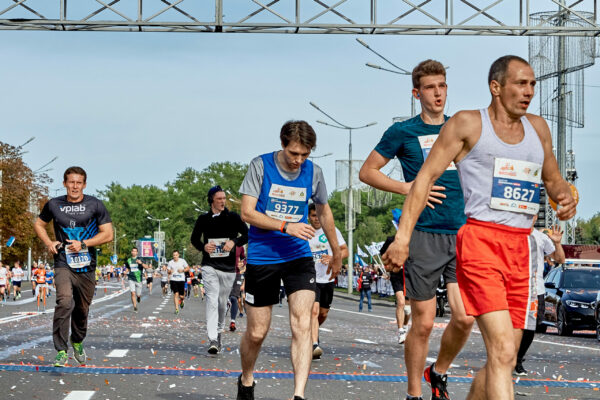
For shorter distances such as 5K and 10K, most runners do not need a specific recovery programme in the days after the race. If you are new to running, however, it is completely normal to experience some muscle soreness the following day.
You generally do not need to take special measures to “recover”. However, active recovery, such as an easy bike ride or a relaxed swim, can increase blood flow and help reduce stiffness in your legs.
Running is efficient and easy to fit into a busy day. Even a relatively short training session can have positive effects on your cardiovascular fitness and overall health, especially when combined with a healthy diet.
For runners of all levels, it is worth remembering one simple principle: keep it simple and use your common sense. That approach can take you a long way with both your running and your health.
Arrive at the start line prepared, relaxed, and ready to enjoy the experience.
❔FAQ
What is the best way to start running as a beginner?
Start from your current fitness level rather than the level you wish you had. Build your running gradually, establish consistency, and give your body time to adapt.
How often should a beginner run?
Running 2–3 times a week is a practical starting point for many beginners. The important thing is to establish continuity without increasing the training faster than your body can handle.
How can I avoid running injuries as a beginner?
The most important principle is to increase training gradually. Fitness can improve faster than tendons and bones adapt, so avoid increasing your distance and intensity too quickly.
Should beginners use cross-training?
Yes. Strength training and activities such as cycling, swimming, or using an elliptical trainer can provide useful variation and strengthen the body without the same repeated impact as running.
How can I stay motivated to run?
Find what makes running enjoyable for you. Vary your routes, listen to music or podcasts, run in nature, join a running group, or find a running buddy who can help you stay committed.
💭 Final Thoughts
Starting to run does not need to be complicated. The most important thing is to begin from where you are, set realistic goals, and give your body time to adapt.
Running can become much more enjoyable when you find your own way of doing it. Choose the right amount of training for your current level, use cross-training when it adds value, find comfortable running shoes, and use the support of others when it helps you stay motivated.
Whether your goal is your first 5K, a faster race, or simply becoming more active, keep it simple and use your common sense. Build the habit, listen to your body, and enjoy the process.
👉 If you found this guide useful, share it with another runner who is just getting started.




Hello Henrik,
Awesome post about starting to run you have here. As of right now, I’m not a runner yet, but I would love to start working out and putting my running shoes on. However, as with many things in life, it’s just that first step. Getting off the couch and starting to run for the first time, seems like the most challenging thing ever. This post does help a lot. I’ve already ordered my running shoes and I have found a nice running event for beginners nearby.
Thanks for this article and the great tips.
Cheers,
Vince
Hi Vincent
Thanks for the comment. Happy that you find it useful. In the beginning, new habits can be challenging to acquire, as old habits still make demands. Wish you the best with your running project!
– Henrik
Thanks for a insightful article on running. You see I am not runner at all. I have tried to get into running but nope . However I find I rather run then walk to get somewhere fast and I burn more calories. Out of what is mentioned in this article I find listening to music to help me the best . That way it goes by quicker. With that said maybe one day I will enjoy running.
Hi Kiersti
Thank you for the comment. It’s always best to find your own way and be aware of it – as you are!
Be Well
First of all thank you so much for posting like this now. I also run a lot of the time. But sometimes my leg hurts. Today I found out the exact reasons for that. I have no beginner goal. I run one at a time. The other thing is to use runong shoes. I think that’s very important too. I hope you take this one I have recommended. Keep posting like this. Thank you very much.
Hi pasindu dimanka
Thank you for the comment. Yes, running shoes are the runner’s most important support tool!
Be Well