
Marathon training has changed my life in more ways than I ever expected. It powers my early mornings, builds grit when things get tough—on the run and in real life—and gives me a rush like nothing else when I finish a long run I planned for. But I’ve also had those moments where I felt stuck, unmotivated, and off track. Sound familiar? If you’re training for a marathon and looking for ways to stay consistent and mentally strong, you’re definitely not alone.

Through years of training, I’ve stumbled upon tweaks and strategies that actually work. The truth is, small changes and mindset switch-ups deliver major momentum. In this post are ten of my favorite go-to tips for smarter, more motivating marathon training—and how I put them to use, especially on days when my legs feel like cement.
📝 Get Clear on Your Marathon Why
Understanding what draws you to marathon running sets up a strong foundation. My first marathon wasn’t about proving something to others. It started as a way to check out my limits. Over time, my reasons have mixed it up: sometimes it’s for community, sometimes just getting outdoors in a packed week.
- Ask yourself the real reason you want to train. Is it self-discipline? Adventure? Better health?
- Write your reason somewhere you’ll see it—your phone lock screen, your water bottle, or your running journal.
My motivation dips now and then, but I always come back to the “why.” It keeps me moving miles farther than any finish-line medal.
If your reason changes mid-training, that’s normal. Reflect on your why every few weeks and update it as your goals grow or life changes. This check-in helps spark new motivation when old reasons fade.
👉 Read more about how a structured marathon training plan can strengthen your motivation and keep you focused on your long-term goals.
🗺️ Plan a Flexible Marathon Training Schedule
Plans are useful—but being inflexible usually backfires. Life happens. Sometimes I miss a workout because of work or wild weather, and that’s just part of the ride.
- Block out a 12 to 24 week prep period for your marathon – depending on your current status.
- Mark key long runs and include flexible cross-training days for some variety.
- Add a weekly “flex day” for extra rest or shifting sessions, and give yourself space to switch things up as needed.
Letting my schedule breathe keeps my enthusiasm high and helps prevent that “I’ve already failed” feeling. You can start by checking out different marathon prep schedules, comparing different approaches, and downloading a printable PDF template you can mark up.

Pro tip: After each week, look over your original schedule and note what worked. Adjust upcoming weeks based on how things felt. This keeps your plan personalized and sustainable.
👉 Read more about building a flexible training schedule that works even when life gets busy.
📊 Track Your Progress (and Celebrate It!)
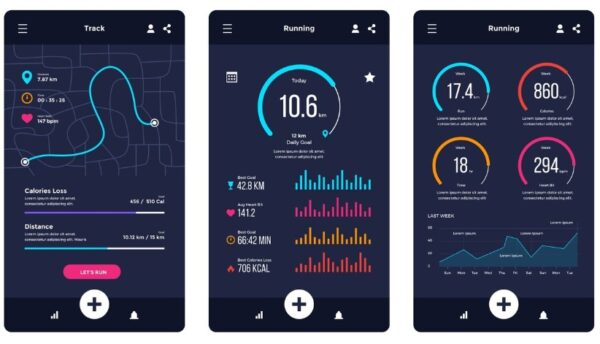
Tracking was a game changer for me. Looking back after several months, it’s wild how much progress adds up, even when it feels slow day by day.
- Use a running app, GPS watch, or keep a daily notebook to measure distance, pace, and how you feel after each training session.
- Cheer on your small wins—getting out on rainy days or running negative splits are all worth a fist bump!
When motivation gets low, flipping through your training log shows just how far you’ve traveled. Sometimes, it’s that visual proof that gives the biggest boost. You can also implement cross training as variation.
Consider marking milestones on a wall calendar or tracker. A streak of completed workouts or weekly mileage targets can help you spot patterns and point out where to celebrate or where to course-correct.
👉 Read more about how to make every training session count and get the most from your progress over time.
🥗 Fuel Your Body Like It Matters
Your energy on the run is directly tied to your food. I’ve learned firsthand (hitting the dreaded “wall”) that underfueling or eating the wrong thing at the wrong time can make even easy runs tough.
- Focus on nutrition – carbs, quality protein, and healthy fats. According to many health professionals, marathoners typically need 50-65% of calories from carbs, 15–25% from protein, and the rest from fats.
- Practice pre-run meals. I recommend a banana and nut butter about an hour before heading out. Find what digests well for you.
- Rehydrate well after every session—even the easy ones. Water and electrolytes both matter.
Keep notes on what works for your body pre and post-run. Stumbling upon the right fueling rhythm can take time, but it’s a major game changer for both speed and recovery.
Don’t neglect slow-release carbs before long sessions and a quick carb/protein snack after. Small changes here can bring up your energy and mood fast!
👉 Read more about how endurance training and proper fueling work together to improve long-distance performance.
🏞️ Make Long Runs Enjoyable
Long runs are vital for marathon prep, but repeating the same old route can feel monotonous. Switching up your scenery or running with a buddy makes the miles fly by.
- Pick routes that interest you: local parks, riverside paths, or even city loops with changing views.
- Add music or a good audiobook for company if you’re logging miles solo.
- Find a friend or local running group to join from time to time. Social runs give your motivation a boost.
Don’t forget about seasonal touch-ups. In winter, use the layer principle properly; in summer, hit the trail early to beat the heat and use sunblock. Keeping runs enjoyable keeps you coming back for more.

Changing up your start time or running at a different pace can also keep boredom at bay. Try a new loop once a week and watch how much more energized you feel!
👉 Read more about why long runs are the foundation of successful marathon preparation.
⏰ Prioritize Rest and Recovery
Pushing too hard without enough rest has sent me to the sidelines more times than I’d like to admit. Now, I see rest as a nonnegotiable piece of training. It’s when you get stronger, not weaker.
- Carve out at least one total rest day per week (no running, just easy movement).
- Welcome both easy runs and full recovery days—they help you get more total mileage without the burnout.
- Post run, make time for foam rolling and gentle stretching. Both are clutch for lowering soreness the next day.
Consider trying cross-training on recovery days—an easy swim or a gentle bike ride keeps you moving without piling on the impact. Evidence shows active recovery can speed things up, too.
A deep dive into recovery techniques is worth the time; look for posts or videos on dynamic stretching and sleep tips as well.
👉 Read more about how recovery and supercompensation help your body adapt and grow stronger after training.
🎯 Set Mini Goals and Celebrate Milestones
Shooting only for marathon day can be overwhelming. Breaking things down into mini goals makes all the difference for motivation and confidence.
- Go for new personal records in shorter races as stepping stones. You can start by using SMART goals here.
- Track streaks, like three weeks of consistent training or several long runs completed.
- Celebrate! Gift yourself new socks, a special meal, or an extra rest day when you smash a tough workout.
Share your achievements on social media with a hashtag, or just mark them for yourself on a checklist. Every small win deserves a cheer—and keeps you invested in the ride.
Don’t underestimate rewards. A well-earned small treat can motivate you just as much as dreams of a finish-line medal.
👉 Read more about practical ways to measure progress and stay motivated throughout marathon training.
👣 Listen to Your Body, Not Just Your Plan
I learned the hard way that sticking to every box on the plan, regardless of how I often felt, was a fast track to burnout and injury.
- Pay attention to persistent aches, fatigue, or falling motivation. It’s better to turn a hard run into a slow jog or walk than risk major setbacks.
- Utilize self-check-ins after every session. Note how you felt and adjust the next day accordingly. This prevents nagging issues from escalating into major problems.
Grab a printable post-run check-in template to jot these reflections, or just take one minute to tune in each time. Building this habit means more running, more fun, and fewer forced breaks.

Remember: No schedule is more important than staying healthy.
👉 Read more about using perceived effort to adjust your training and avoid pushing too hard.
🤝 Find Running Community & Support
Going farther is easier when you’re connected. I always run stronger with support—either from in-person friends, virtual buddies, or even forums. Getting advice, high fives, and tough love in a group makes training more social and less lonely.
- Team up with a local club or connect on apps like Strava. For people in smaller towns, online forums like the Park Run forum are a lifeline for swapping support and stories.
- Share your journey, wins, and struggles—someone else has been there, and you can trade tips.
- Ask friends to join for short runs or warmups, even if they aren’t marathoners. You’ll both benefit from the camaraderie.
I’ve made legit friendships and learned more about pacing and training by connecting, both online and in person. Don’t hesitate to reach out; the friendly faces at your park run or weekly meetup can make all the difference.
If you’re shy about in-person meetups, try a virtual race or run challenge as your first group step. Everyone started somewhere!
👉 Read more about the complete marathon journey, including motivation, consistency, and training support.
🧠 Guard Your Mindset: Be Patient and Positive
Some days feel smooth, others feel rough. Building a sturdy mindset is as important as building strong legs. How you talk to yourself counts. When I miss a session or have a rough run, I remind myself that growth comes from showing up week after week—not from random flashes of perfection.
- Use reframing: Instead of “I messed up,” try “I learned something for next time.”
- Jumpstart your motivation with uplifting mantras, quotes, or a running-themed playlist.
- Reflect weekly on the adventure so far in your running journal—track not just speed, but also personal growth and grit.
Download a phone wallpaper with your favorite running phrase or jot a motivational quote on your water bottle this week. Little reminders help nudge your mood in the right direction.

Building resilience pays off far beyond the race course.
👉 Read more about developing the mental strength needed to stay positive through both good and difficult training periods.
❓ Marathon Training FAQ
How many miles per week should I run during marathon prep?
Most plans build from 25 up to 45 miles per week, peaking about a month out from race day. Start with what feels comfortable, then gradually tack on distance and intensity.
How do I stay motivated during setbacks or bad runs?
Check in with your marathon “why,” lean on your community, and look back at your progress log. Bad days are routine; they make the wins stand out even more.
What gear do I really need?
A comfortable pair of running shoes, simple activewear, and any device that helps you track progress. Get tips and check favorites on marathontrainingbuddy.com
Final Thoughts & Ongoing Motivation
Training for a marathon is an adventure—there are ups, downs, and moments you’ll cherish for years. The ideas here come from my real-world mistakes and successes: what works, what I’ve had to shift, and what keeps me lacing up week after week.
Finding your stride happens when you treat every single session, rest day, and even setbacks as steps forward—not just toward the finish line, but to becoming a sturdier, more confident runner (and honestly, a happier one).
My Marathon Training Buddy Action Plan
- Write out your main reason for running and keep it where you’ll see it daily.
- Map out a flexible training schedule, allowing yourself room to adapt.
- Track your progress and celebrate all wins, from the first mile to major milestones.
- Grow your motivation by making running fun—and connecting with friends or a community.
- Reflect on your progress weekly in a journal or forum, and show yourself some kindness during setbacks.
Ready to get going? Share your latest breakthrough, favorite tip, or even a struggle you’re working through in the comments. Your story could spark the next runner to keep moving!
🙌 Quote for Motivation 🙌
“Every step, no matter how slow or tough, brings you closer to the starting line. Each run gets you even closer to the finish.”
💬 Which of these tips hit home for you? Share your favorite motivator—or a training struggle you’ve overcome—in the comments. Let’s inspire each other to keep going!