
I think recovery is particularly important for beginners to be aware of. We don’t know our body’s physiological mechanisms yet and we are very motivated at the beginning of our running career. Most of us have many and fast ambitions to get progress in our efforts with running. How to focus on recovery after running – important growth is particularly necessary as a newbie to get progress, because your body needs slow improvements/growth during the runs and the new loads.
🏃 Beginner Ambitions

Starting a running journey is exciting, and many beginners quickly want to see results. It is easy to become motivated when you notice improvements in your fitness, weight, or running times. After a few months, however, many runners expect to run faster and longer and may become frustrated when progress does not happen as quickly as they hoped.
This is where recovery becomes particularly important. Your body needs time to adapt to the new demands of running. Fitness and strength do not improve during the training session itself; they develop as the body recovers and rebuilds after the training load.
👉 Building fitness gradually requires patience and recovery as your body adapts to running.
Progress in running takes time. Give your body the chance to adapt.
🏃 Start Running on Your Terms
When you start a running project, it is important to do it on your own terms and according to your current abilities and circumstances. Avoid comparing yourself with other runners at this stage. Everyone starts with different physical conditions, experience, goals, and limitations.
A few weeks are usually not enough time to build a solid running foundation unless you already have experience from another sport. Give yourself at least two to three months to develop gradually. Your goal does not have to be a marathon. Choose a goal that matches your current level and gives you something realistic to work towards.
During this period, consistency becomes your friend. As running becomes part of your routine, you will gradually begin to see yourself as a runner, while your fitness and overall physical capacity improve. The best approach in this phase is simple: run regularly and keep most of your running easy.
This allows you to build your fitness with enough energy left for recovery. If you have not been physically active before, the transition can also be mentally challenging. New habits take time to become natural, so patience is an important part of becoming a runner.
👉 A realistic marathon training goal should match your current level and experience.
Running – Patience and Practice
Running is not always easy, and becoming a stronger runner takes both patience and practice. Rest and recovery are essential for making progress, so sometimes the best thing you can do is sit back, relax, and enjoy an afternoon away from training, knowing that you have committed to a project you chose for yourself.
If you do not allow your body enough time to recover, your fitness can begin to move in the wrong direction, and small injuries may start to appear. As a beginner, it can also be helpful to have support from friends, family, or other runners at a similar level. Having running buddies can make the process more enjoyable, especially if you are working towards completing the same race in the future.
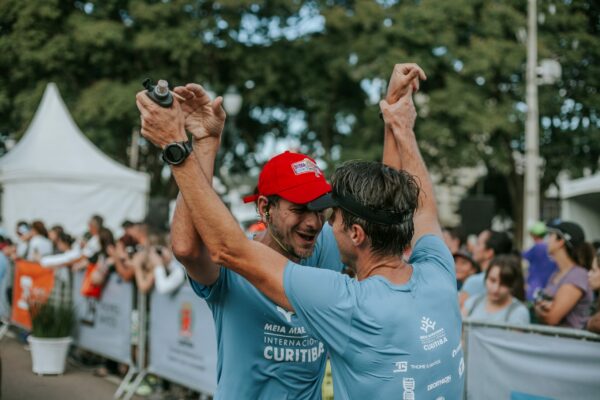
👉 Rest and recovery are essential parts of making progress in running.
Rest is not a break from progress. It is part of progress.
🔄 Recovery After Run
The foundation of improving your fitness through running is giving the body enough time to rebuild and become stronger. After training, the tissues and energy stores that have been stressed need time and opportunity to recover. This rebuilding process is known as recovery and is an essential part of becoming fitter.
Training itself temporarily places stress on the body’s tissues and can leave you performing less well immediately afterwards. Fortunately, the body responds by repairing and rebuilding what has been stressed. Without a training stimulus there is no need for this adaptation, but without sufficient recovery there is also not enough time for the rebuilding process to do its work.
During recovery, the body restores normal cell functions, removes waste products, rebuilds cellular components, and restores the function of the body’s different systems. Given enough time, these processes can rebuild the body’s tissues and performance to at least their previous level—and, over time, to a stronger level than before.
Training provides the stimulus, but recovery is where the body becomes stronger.
🔄 Recovery Process
The amount of recovery time you need depends on several factors, particularly the intensity and duration of the previous training session and your current training level. A well-developed aerobic endurance base generally provides better conditions for recovering efficiently from training.
Two runners can therefore complete a similar relative workload and still have very different recovery needs. A less-trained runner will normally need more time to recover than a well-trained runner exposed to the same percentage of their maximum capacity.
This is one reason why experienced and elite runners may be able to train several times a day, while beginners often need a few days of recovery between training sessions. For beginners, it is important to spread training evenly throughout the week and allow enough time for the body to rebuild between sessions.
As your training experience increases, your body gradually becomes better able to tolerate training and your recovery needs may decrease. The best way to learn your individual recovery needs is through experience and by paying attention to how your body responds. For less experienced runners, it is generally better to allow a little too much recovery rather than too little.
👉 Your recovery needs will change as you develop greater endurance and become more accustomed to training.
The more you understand your own recovery needs, the better you can manage your training.
😴 Recovery & Rest

Recovery is often described as returning the body to a better state, while rest means being inactive. In other words, a rest day means taking a break from physical activity, whereas a recovery day can involve activities that actively support the body’s recovery.
👉 A well-structured training plan should include enough recovery between demanding sessions.
Recovery does not always mean doing nothing; the right activity can help the body recover.
🛌 Recovery Needs
During recovery, the body carries out several important processes:
- Damaged muscle fibers are repaired and rebuilt.
- Cellular components are reconstructed.
- Lactate and other by-products are cleared from the muscles and blood.
- Depleted energy stores in the cells are replenished.
- Glycogen stores in the muscles are restored.
- Fluid balance is brought back to normal.
- Blood sugar levels are restored.
If you do not give these rebuilding processes enough time, your training progress can stall and your risk of injury can increase. Recovery is therefore not time away from training—it is an essential part of the training process.
👉 Understanding training zones can help you balance training stress with recovery.
Every training session creates a need for recovery, and every recovery period creates an opportunity to adapt.