
Understanding heart rate training zones changed how I train. Instead of guessing, I learned to listen to my body and trust the data from my watch. Knowing my zones helped me avoid overtraining and burnout, recover more effectively, and achieve my goals with confidence. Whether you’re new to marathons or aiming to level up, this guide gives you the practical tools and personal insight to make every session count.

🔢 Target Heart Rate Zones – Your Marathon GPS
When you’re marathon training, every run has a purpose. But how do you know if you’re running too hard or not hard enough? This is where training zones come in.
Heart rate training zones are structured ranges based on your max and resting heart rate. They tell you how intense your workout is and help fine-tune your running effort.
Running smarter starts with understanding these five zones. Whether it’s fat-burning, aerobic building, or sharpening your speed, each zone plays a key role in your journey.
👉 Read more about how lactate threshold training helps you sustain higher speeds for longer.
❤️ Working, Resting, and Max Heart Rate Explained
Working Heart Rate (WHR)
WHR is your heart rate during running. It’s how hard your heart works during exercise and helps you measure training intensity. Over time, as your fitness improves, your heart will need fewer beats to sustain the same effort.
Resting Heart Rate (RHR)
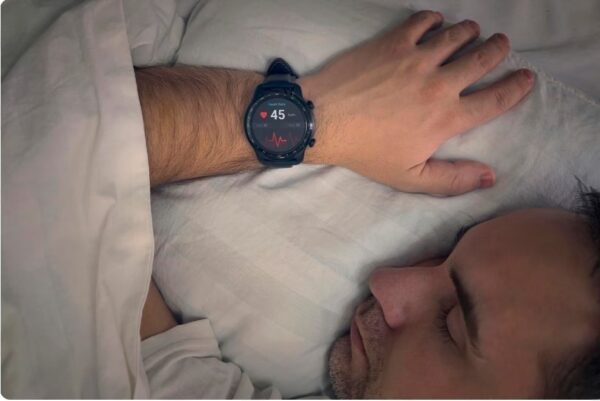
Measure this in the morning for best results. It drops as your aerobic base improves.
Maximum Heart Rate (MHR)
This is the highest your heart can go during max effort. Use 220 minus your age (or 226 for women), or test it by doing a max-effort 600-800m sprint after warm-up. Always be cautious.
👉 Read more about using perceived exertion as an alternative way to monitor training intensity.
✔️ How to Calculate Your Training Intensity
Let’s use a 40-year-old runner with an MHR of 180 and an RHR of 54:
Step 1: Calculate Heart Rate Reserve (HRR): 180 – 54 = 126
Step 2: Choose a work intensity. Let’s say 70%
Step 3: (MHR – RHR) * intensity% + RHR = WHR
So: (180 – 54) * 70 / 100 + 54 = 142 bpm
This is your WHR for a 70% intensity run. Training without RHR can underestimate your needs. Add it in for accuracy.
👉 Read more about how endurance training intensity influences aerobic development.
🏃♂️ The 5 Heart Rate Training Zones – What They Mean for You
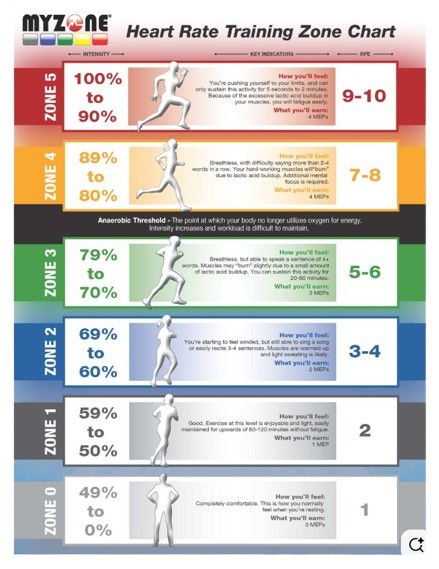
⚪ Zone 1 – Recovery (50–59% HRR)
This is your gentle jog or recovery pace. You should be able to breathe easily and hold a full conversation without effort. This zone is essential for active recovery, especially after hard runs or races.
I used to skip Zone 1, thinking it was too easy to matter. But after suffering a calf strain mid-training cycle, my coach had me spend two full weeks mostly in Zone 1. The result? I healed, felt refreshed, and returned stronger.
You won’t see big gains from Zone 1 alone, but you will build consistency and help your body absorb harder training better. I now use this zone when I need a mental break or to reconnect with why I started running.
🟦 Zone 2 – Fat Burn & Aerobic Base (60–69% HRR)
Zone 2 is where marathon magic happens. You’ll build your aerobic engine and train your body to efficiently burn fat for fuel. Most long slow distance (LSD) runs are done here.
For beginners and intermediate runners, this is your bread and butter. You’ll be surprised how powerful this zone becomes when you stay consistent. Many runners overlook it because it doesn’t feel hard—but it works.
On one of my best training cycles, I made 80% of my weekly mileage Zone 2. I felt stronger, had fewer injuries, and recovered faster between speed workouts.
You’ll know you’re in Zone 2 if you can talk in full sentences but notice your breathing is slightly heavier. It’s also the perfect zone for building confidence over long distances.
👉 Read more about why long runs are essential for building aerobic endurance.
🟩 Zone 3 – Marathon Zone (70–79% HRR)

This zone is a bit trickier. It’s where marathon pace often lives. You’re pushing harder, breathing deeper, and might struggle to speak in long sentences.
Some call this the “gray zone” because it’s not quite easy, not quite hard. But it’s critical for teaching your body to hold race pace. Zone 3 builds muscular endurance and boosts your lactate threshold.
I usually run one long run per week in this zone, especially in the final 8–10 weeks before race day. Those sessions help me dial in race strategy and pacing.
👉 Read more about building a marathon training plan around sustainable race pace efforts.
🟧 Zone 4 – Threshold & Competition Pace (80–89% HRR)
Now we’re talking speed. Zone 4 is intense. Your body starts relying more on carbohydrates, and breathing becomes sharp and fast.
Training here boosts your lactate threshold—meaning you can run faster, longer before fatigue sets in. I use this for tempo runs and race simulations. After a solid base of Zone 2 running, I introduce one workout a week here.
Be careful with Zone 4. It’s easy to overdo it. Make sure you recover well and keep your efforts structured. I usually aim for 20–30 minutes of sustained work or break it up into intervals.
👉 Read more about improving your lactate threshold to maintain faster marathon paces.
🟥 Zone 5 – VO2 Max & Sprint Intervals (90–100% HRR)
This is your maximum effort zone. You can’t hold this for long, but it makes you faster, sharper, and mentally tougher.
For marathoners, it’s not a major training zone. But including short bursts—like strides, hill sprints, or short intervals—can improve oxygen delivery and running economy.
I add Zone 5 efforts during sharpening phases, just 1–2 times per week, and always with plenty of rest. These runs are tough but satisfying. The feeling of flying down a hill or finishing a short rep with full effort builds confidence.
👉 Read more about how oxygen utilization affects high-intensity endurance performance
🔄 Create Your Personalized Training Zones – Tailor Training to Fit You

Heart rate training is not one-size-fits-all. Your zones are yours—and they evolve as your fitness changes. Several methods can be used to calculate heart rate training zones, each with its own approach and level of accuracy. So, creating personalized zones is one of the most empowering things you can do as a runner. Here’s how I built mine and why you should too.
First, start with the basics: your Maximum Heart Rate (MHR) and Resting Heart Rate (RHR). You can use estimates, like 220 minus age, or find your MHR through a max-effort field test. Your RHR should be measured first thing in the morning for three consecutive days. Once you have those two numbers, you’re ready to calculate your heart rate reserve (HRR):
HRR = MHR – RHR
Now plug that into this formula to get your target heart rate at any given intensity:
WHR = (HRR × %intensity) + RHR
Let’s return to our earlier example: a 40-year-old runner with an MHR of 180 bpm and an RHR of 54 bpm.
Let’s calculate Zone 2 (60–70% intensity):
- 60%: (180 – 54) × 0.6 + 54 = 129.6 ≈ 130 bpm
- 70%: (180 – 54) × 0.7 + 54 = 142.2 ≈ 142 bpm
Zone 2 for this runner is 130–142 bpm. Do this for each zone and you’ll know where you stand.
Why Personalized Zones Matter

Back when I started, I trained blindly. I chased pace, ignored recovery, and plateaued quickly. Once I created my zones, everything changed. I trained with more control, fewer injuries, and more confidence.
Your own zones let you:
- Track aerobic improvements month by month
- Catch overtraining early
- Adjust efforts on hot, cold, or stressful days
- Use running data as feedback, not pressure
Make It Visual
One thing that helped me stay on track was keeping a small spreadsheet of my personal zones. I printed it, taped it to the wall, and synced it to my Garmin watch. Each time I start a workout, I glance down and know exactly what I’m aiming for.
Over time, I started spotting patterns. For example, when my Zone 2 pace improved by 15 seconds per km, I knew my base was growing stronger—without needing a race result.
Beginner vs. Experienced Zones
If you’re just starting, don’t stress about perfection. Use the formula and aim for Zones 1–4. Zone 5 can come later. Advanced runners, you’ll want to fine-tune all five zones, especially leading up to race season.
Chart Your Progress
Here’s a quick table example using the 40-year-old runner:
You can create a similar table using your personal numbers. This chart is easy to reference, especially when fatigue clouds your decision-making.
Pro Tip: Recalculate your zones every 8–12 weeks, especially if you notice fitness gains or RHR changes.
👉 Read more about building a training schedule that matches your current fitness level.
🏃♀️ Benefits of Zone-Based Training – Run Smarter, Not Just Harder

Using heart rate training zones isn’t just about being precise. It’s about learning to run with awareness, listening to your body, and training smarter. Once I embraced zone-based training, everything from my easy jogs to my race-day strategy started to align.
🎯 Precision Meets Purpose
Every workout gets a purpose. Gone are the days of guessing effort or overdoing a session. On recovery days, I truly recover. On threshold days, I feel strong but in control. Zones gave structure to my training weeks—each run with intention.
Before zone training, I’d finish a session exhausted but unsure if it even helped. Now I finish knowing exactly what system I challenged—fat burn, aerobic endurance, lactate threshold, or VO₂ max.
🧠 Mind-Body Awareness
One of the biggest benefits of heart rate training is learning to understand how you feel at each intensity. Over time, you start predicting your heart rate from feel. You’ll know when to ease off, when to push, and when to stop.
I remember a tempo session where I struggled mentally. My watch showed Zone 5, even though I was aiming for Zone 3. Instead of pushing through, I backed off—and avoided overtraining. Zones taught me to tune in, not ignore signals.
💪 Prevent Overtraining and Burnout
Many runners, especially beginners, spend too much time in the middle ground—too fast for recovery, too slow for speed. This leads to stagnation and injuries. Zone training helps prevent that by clearly separating easy from hard efforts.
I once ran 6 days a week but felt tired constantly. Turns out I was pushing too hard on “easy” runs. After adopting Zone 1–2 on recovery days, my legs felt fresher, and I could handle real speed work better.
👉 Read more about balancing training stress and recovery for long-term progress.
📈 Track Progress Over Time
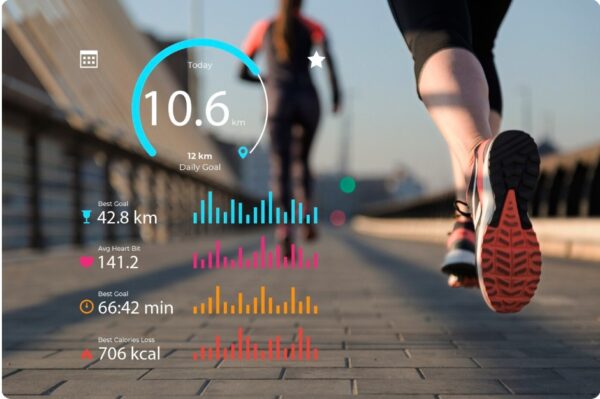
Your heart rate is a window into your fitness. As you get stronger, your pace at each heart rate improves. You’ll notice long runs get easier, race pace feels smoother, and your RHR drops—a signal of improved aerobic conditioning.
Zone training makes this progress measurable. I used to track pace only. Now, seeing a steady HR at a faster pace tells me more about my improvement than any stopwatch.
👉 Read more about measuring improvements in running efficiency and performance.
🛠️ Adapt Easily to Life’s Curveballs
Running by heart rate helps you adapt when life throws you off track. Whether it’s a bad night’s sleep, a stressful week, or a humid summer day—zones help you adjust effort accordingly.
Some of my best training decisions were made when I swapped a planned Zone 4 session for Zone 2 after a tough week. Instead of forcing a workout, I preserved my energy and avoided injury.
Personal Take: Before zone training, I often ran too hard on easy days. Now, I respect each day’s purpose, and I’ve improved both my PR and recovery.
✨ Final Thoughts – Trust Your Heart, Train With Intention
Training zones transformed the way I approach every run. They gave my training weeks rhythm, brought my effort into focus, and reminded me that progress is as much about recovery as it is about pushing limits. Whether you’re new to running or aiming for a PR, tuning into your heart rate helps you make each mile count.
As you continue building your marathon journey, let your heart guide your steps—zone by zone. Train gently when your body asks for it, and fiercely when your fitness is ready. Above all, enjoy the process. These zones aren’t just numbers—they’re a reflection of your body’s incredible adaptability.
❓ FAQ – Heart Rate Zones and Your Marathon Questions
Q1: Can I use training zones without a heart rate monitor? Yes! While a monitor improves accuracy, you can use the Borg Scale (Rate of Perceived Exertion) to estimate zones. Combine effort, breathing, and pace for a practical approach.
Q2: How often should I update my zones? Every 8–12 weeks or after a noticeable change in fitness. If your pace improves or resting heart rate drops, it’s time to re-calculate.
Q3: What if my heart rate is high even when I feel okay? Stress, dehydration, and heat can raise heart rate. Always listen to your body and consider adjusting your effort, especially if you’re over your usual range.
Q4: Is zone training helpful for beginners? Absolutely. It helps build aerobic endurance safely and prevents overtraining. Start with Zones 1–3 and build up as your fitness improves.
💬 Final Quote
🧡 “Your heart is your best coach—listen closely, run wisely, and train with joy.”