
Marathon training as therapy for depression can be gentle, supportive, and life-changing—without pressure or performance goals. For many runners, it’s not about speed or distance, but about finding structure, calm, and mental clarity on tough days. Even small, consistent steps on the road can help regulate mood, reduce stress, and build quiet confidence. This article examines how marathon training can serve as a therapeutic tool, enabling you to reconnect with yourself while running.

🏃♂️Marathon Training as Therapy for Depression: A Gentle Path to Mental Strength
A gentle path to mental strength (without pressure)
I didn’t start running because it was fun. I started because I needed something that would quiet my head. Over time, I learned that marathon training—done patiently and kindly—can become a powerful form of therapy. Not because it fixes everything, but because it gives you space, structure, and a way back to yourself.
“You don’t have to love running for it to help you. You just have to show up—gently.”
🧠The Mental Benefits of Marathon Training (Beyond Physical Fitness)

A study of amateur marathon runners found that those who trained regularly exhibited reduced depressive symptoms and an improved mood compared to sedentary individuals, highlighting the psychological benefits of consistent endurance training. 👉 Check here.
When people think about marathon training, they often think about endurance, discipline, and physical toughness. But the mental benefits are often the reason runners keep going—especially when motivation is low.
Over time, consistent training can improve emotional regulation, reduce rumination, and create a sense of stability in everyday life. For me, the biggest benefit wasn’t feeling stronger—it was feeling calmer. Training gave my thoughts a rhythm, and that rhythm carried over into the rest of my day.
- Improved mood stability
- A clearer sense of direction
- Fewer emotional extremes
These benefits don’t come from intensity. They come from consistency, which is exactly why this approach works so well for runners dealing with depression.
💛Running and the relationship with yourself

Running slowly and regularly changed how I relate to myself. You start noticing signals—fatigue, stress, mood—without judging them. For many Reluctant Runners, that awareness is the first real win.
Running becomes a means, not the goal. The calm during the run—and for hours after—creates mental space. Over time, overcoming the small hurdle of getting out the door builds quiet confidence.
- You learn to listen instead of pushing
- You replace guilt with routine
- You feel more present in your body
“Repetition is the mother of skill—and of calm.”
❓Can Running Help With Depression? What Runners Experience Over Time

Many people ask whether running actually helps with depression—or if it’s just another thing you’re supposed to do. Running doesn’t erase depression. But it can soften it.
Over time, runners often report fewer intrusive thoughts, improved sleep, and a stronger sense of control. The key is not chasing a “runner’s high,” but allowing small, repeated experiences of competence. Finishing a short, easy run can quietly rebuild trust in yourself.
This is why marathon training works best as therapy when it’s approached gently and without performance pressure.
🏞️Running as therapy

Running offers more than fitness. It creates personal space. For me, it improved self-image and energy—slowly, almost unnoticed. That’s important if you’re running out of obligation or for your health.
Short-term effects often show up right after a run: relaxation, better mood, a sense of having done something kind for yourself.
Long-term effects appear when training becomes routine. Stress and anxiety soften. The inner noise gets quieter. You begin to be, rather than evaluate.
“Therapy doesn’t always happen on a couch. Sometimes it happens at an easy pace.”
📘Marathon Training as a Practical Tool for Managing Depression
Research shows that regular exercise can be as effective as antidepressants for some people and supports nerve‑cell growth in mood‑regulating brain areas — emphasising how consistent, gentle marathon training can help alongside other treatments.👉 Check here.
When depression makes decisions feel heavy, structure becomes a relief. Marathon training offers exactly that: a simple framework you can lean on when motivation is low.
You don’t have to decide if you’ll run—only when and how easy. That reduction in choice lowers mental load. Over time, the routine itself becomes therapeutic. You show up not because you feel motivated, but because it’s what you do.
This is where marathon training shifts from exercise to therapy: it removes negotiation and replaces it with gentle consistency.
⚡Psychological benefits of exercise
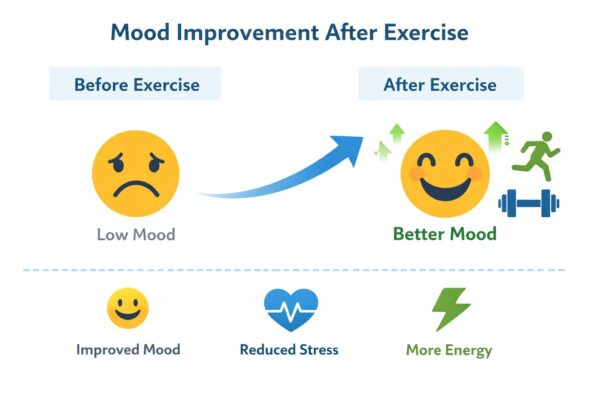
Running is used successfully alongside psychiatric treatment. Studies show improvements in mood after months of consistent, gentle exercise.
I’ve seen people start with walking and short jogs—no pressure, no big goals—and slowly rebuild their day. A plan gives purpose. A routine creates momentum.
- Improved mood
- Reduced isolation
- Better daily structure
Social support matters too. A weekly agreement to meet a running buddy can be more therapeutic than any metric.
📱The impact of social media
When motivation is low, social media can pull you deeper into passivity. But it can also inspire.
I once followed a runner who openly shared his struggle with depression while training toward a marathon. By committing publicly—gently—he rebuilt trust in himself. He finished his marathon, but more importantly, he reclaimed direction.
Science now supports what runners feel: long-term training creates structural brain changes that support mood and cognition.
🔍What Running Teaches You About Yourself (And What Often Comes Up in Therapy)

Running has a way of bringing things to the surface. Thoughts you avoid during the day often appear mid-run—doubts, fears, old patterns.
In therapy, many people talk about self-criticism, avoidance, and the pressure to perform. These same themes show up in training. Do you quit early? Push too hard? Feel guilty for resting?
Noticing these patterns during running gives you something concrete to work with. Awareness becomes the first step toward change.
🧪The body’s biochemistry is the true therapy
Emotions are biochemical. Fear, joy, calm—they all have physical roots. Running activates systems that regulate these states.
When you run, your body releases chemicals that support mood, sleep, and resilience. That’s not magic—it’s biology.
“Motion creates emotion—but gentle motion sustains it.”
📈The results of marathon training

With consistent, kind training, changes add up:
- Better sleep
- Increased confidence
- More emotional resilience
- A calmer baseline
I see marathon training as an investment—not in speed, but in mental health. You don’t have to chase a race to benefit. The process itself is the therapy.
❔FAQ
Do I need to run a marathon for this to work?
No. The structure and routine matter more than the distance.
What if I don’t enjoy running?
That’s okay. Enjoyment often comes later—if at all. Benefits don’t depend on passion.
How slow is slow enough?
Slow enough that you can breathe calmly and finish feeling okay.
✨Final thoughts
If you’re a Reluctant Runner, marathon training doesn’t have to be extreme. Done gently, it can be one of the most grounding practices you’ll ever adopt.
“You’re not weak for needing structure. You’re wise for choosing it.”
If running has helped you mentally—or if you’re just starting—share your experience in the comments. You’re not alone, and your story might help someone else take their first gentle step.
This is an updated article combining current research with lived experience, refined to reflect a gentle, mental-health-first approach to marathon training.