

What is the treatment for pulled muscle? A pulled muscle can be a frustrating setback for any runner, especially when it interrupts a regular training routine. Muscle strains can range from mild discomfort to more serious injuries that require a longer recovery. Understanding what causes a pulled muscle, recognising the symptoms, and knowing how to respond during the early stages can help you make sensible decisions about your recovery. In this guide, we look at common causes, symptoms, treatment, and returning to running safely.
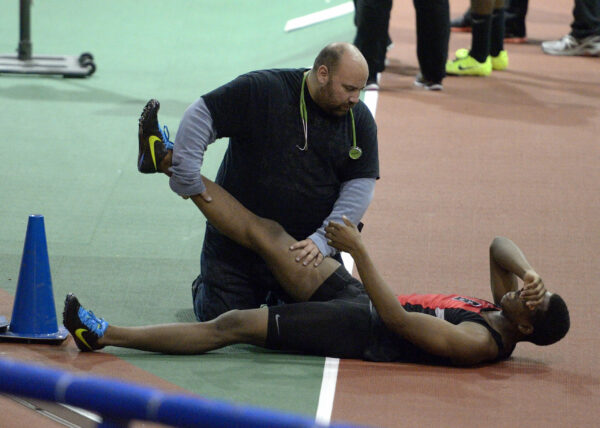
🩹 A Pulled Muscle
A pulled muscle, also known as a muscle strain, occurs when muscle tissue is stretched beyond what it can safely handle and some of the muscle fibres are damaged. The severity can vary considerably. A mild strain may settle within a relatively short period, while a more serious injury can require a much longer period of rehabilitation before the muscle is ready for normal training again.
A pulled muscle is not one specific type of injury and can affect different muscles throughout the body. For runners, however, some areas are particularly vulnerable because they are repeatedly loaded during running.
The calf muscles and hamstrings are among the most common areas affected. Muscle strains can also occur in the front of the thigh, hip flexors, and gluteal muscles.
👉 Sensible training progression is an important part of reducing the risk of muscle injury.
🩹 What Is The Treatment For a Pulled Muscle – Causes And Symptoms

Muscles are build-up of many small muscle bundles, where each contains many muscle fibers. If parts of the muscle are torn over, we call it muscle tearing. If the extent of the injury is limited to some of the small muscle fibers, the injury is called a pulled muscle.
Treat pulled muscle – causes
A pulled muscle usually develops when muscle fibres are exposed to more force or load than they can handle. For runners, this can happen through a sudden, powerful movement, but it can also develop gradually when the same muscles are repeatedly loaded without enough time to recover.
The symptoms depend on the extent of the injury. A mild strain may cause soreness, tightness, or discomfort during or after running, while a more significant injury can cause sharp pain, swelling, bruising, or difficulty using the affected muscle.
Understanding both the cause and the symptoms is important because continuing to train through an injury can make recovery more difficult.
Treat pulled muscle – symptoms
Muscle strains can occur when a muscle is suddenly forced to contract or when it is repeatedly overloaded. For runners, this can happen during a fast acceleration, a sudden change of pace, or another demanding movement.
Overuse can also contribute to a muscle strain. If a muscle does not have enough time to recover between training sessions, repeated loading can gradually leave it sore and tense. This is one reason why sensible training progression and sufficient recovery are important parts of running.
A less common type of muscle injury occurs when the muscle is struck rather than stretched. The muscle fibers are not pulled apart but can instead be compressed or “crushed.” For example, this can happen when a runner falls and the thigh hits a hard surface.
This type of injury is sometimes described as a “wooden thigh.” Because of the pain, the muscle responds by becoming tense, and this stiffness can be one of the last symptoms to disappear. With a larger muscle fiber injury, it may also be possible to feel a small defect in the muscle.
In more serious cases, part of the muscle may be torn. The affected area may then be both visible and painful to touch, and normal use of the muscle can become difficult or impossible.
Training-related factors can also contribute to muscle injuries. An inadequate warm-up may leave the muscles insufficiently prepared for the demands of running, while insufficient recovery may prevent the muscles from regaining their strength before they are loaded again. This combination of excessive loading and inadequate recovery can increase the risk of injury.

👉 Giving your body enough time to recover between training sessions can help reduce the risk of injury.
💪 The Best Treatment For a Pulled Muscle
A pulled muscle should be treated as an acute injury, especially when the injury occurs suddenly during running. The first priority is to stop the activity and give the affected muscle time to settle.
For an acute muscle injury, the R.C.I.E.M. principle provides a simple framework: Rest, Compression, Ice, Elevation, and Mobilization. These measures are intended to limit further irritation, reduce swelling and pain, and support the early recovery process.
It is also important to consider what may have contributed to the injury. Training volume, sudden increases in workload, inadequate warm-up, insufficient recovery, and training progression can all play a role. Looking at these factors can help reduce the risk of repeating the same injury.
A return to running should be gradual. Even when the pain has improved, the muscle may not yet have regained its previous strength and capacity. Rushing back to normal training too soon can increase the risk of another injury.
Best treatment for a pulled muscle – after the acute phase
Once the acute phase has passed, recovery should continue gradually. Gentle massage may help reduce muscle tension and fluid accumulation, while later, more targeted massage may help loosen stiff scar tissue that can develop as the muscle heals.
Stretching exercises should be introduced carefully and always within a comfortable range. Exercise should not increase pain, and the return to normal running volume should happen gradually rather than all at once.
A previous muscle injury can increase the risk of suffering a similar injury again. Scar tissue may be less flexible, and the affected muscle may not initially have regained its former strength. This makes proper rehabilitation particularly important.
A gradual rehabilitation program should therefore focus on restoring both flexibility and strength before returning to normal training. The goal is not simply to become pain-free, but to give the injured muscle time to regain its ability to handle the demands of running.

👉 A sensible training routine should also include an appropriate warm-up before demanding running sessions.
🔄 RCIEM Principle Treatment
Treatment of acute injury
The RCIEM principle can be understood through five simple steps:
Rest: Stop the activity immediately and avoid putting further stress on the injured muscle.
Compression: Use an elastic bandage around the injured area to help limit bleeding and fluid accumulation. Compression should be firm but not so tight that it restricts normal blood flow.
Ice: Cooling the injured area can help reduce pain and swelling during the early stage of the injury.
Elevation: Keep the injured body part elevated, preferably above heart level when possible, particularly during the first 24 hours. This can help reduce swelling.
Mobilization: When it can be done without increasing pain or swelling, gentle movement should gradually be introduced. Moving the affected joints, muscles, and tendons can help restore mobility and support the recovery process.
The key is not to rush this process. A more serious injury may require professional assessment and a longer period of rehabilitation before normal running can safely resume.

👉 Understanding the difference between acute injury and overtraining can help runners recognize when their body needs more recovery.
Overload injuries
Overload injuries develop gradually when the body is exposed to repeated or excessive stress without enough time to recover. Early signs can include stiffness in the joints in the morning, a deep or aching pain, or discomfort that becomes noticeable after training when the body has cooled down.
If the overload continues, it can contribute to problems affecting tendons, bursae, or even the bones, such as stress fractures.
Overload injuries often require a period of reduced training and, in some cases, a change to the type of exercise. Training should only be increased gradually once the symptoms have settled. Persistent or worsening pain should be assessed by a healthcare professional.
❓ FAQ
1. What is the best treatment for a pulled muscle?
The first step is to stop the activity and allow the injured muscle to recover. For an acute injury, rest, compression, ice, elevation, and gradual mobilization can help during the early stages. More serious injuries should be assessed by a healthcare professional.
2. How long does a pulled muscle take to heal?
Recovery time depends on the severity of the injury. A mild muscle strain may improve relatively quickly, while a more serious tear can require a much longer rehabilitation period.
3. Can I run with a pulled muscle?
It is generally better not to continue running if running causes pain in the injured muscle. Returning to running should be gradual and should not be rushed simply because the pain has started to improve.
4. How do I know if a pulled muscle is serious?
Severe pain, significant swelling or bruising, marked weakness, difficulty moving the affected area, or an inability to use the muscle normally can indicate a more serious injury that should be professionally assessed.
5. How can I prevent pulling the same muscle again?
A gradual return to training, adequate recovery, sensible training progression, and rebuilding both strength and flexibility can help reduce the risk of another muscle injury.
🏁 Final Thoughts
Recovering from a pulled muscle takes patience. The goal is not only to become pain-free, but also to restore the strength and flexibility needed to return safely to running.
A gradual return to training can help reduce the risk of aggravating the injury or suffering a similar problem again. If the injury is severe, persistent, or prevents normal movement, professional assessment is important.
With appropriate recovery, rehabilitation, and a sensible return to training, most runners can gradually rebuild their strength and get back to running with confidence.
🏃 Know a runner who could use these tips? Share this article with them.